
视频元信息
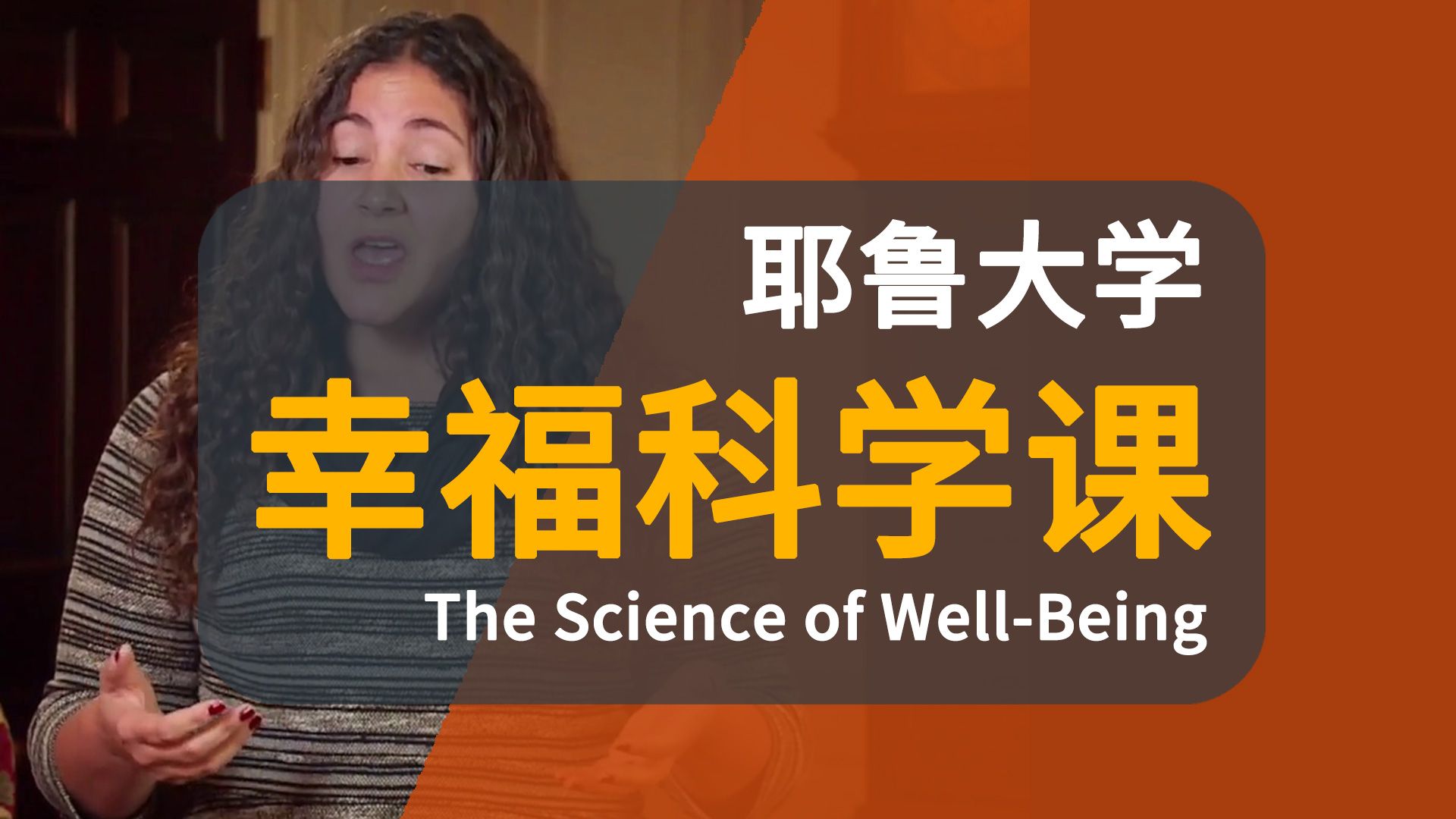
- 课程:耶鲁大学《幸福科学课》(The Science of Well-Being)
- 本节主题:问答环节(Question & Answer)——关于社交媒体使用、刻意练习与"你以为会让自己幸福的事"
内容摘要(TL;DR)
本节为问答环节,学生提问"为什么建议删除社交媒体,而不是教我们更好地使用它",讲师回应社交媒体虽有积极面(自我表达、与人连接),但被动接收信息的方式更糟,应主动选择使用方式。随后讲师引入本节主题:那些你以为会让自己幸福的事,只有配合刻意练习的习惯,才可能真正带来幸福。
一、刻意练习需要时间投入 [00:31]
要点总结:
- 课程最后一周的内容会"留在你心里"(stick with you)
- 这些方法实际上需要付出努力,需要几周时间来做刻意练习
详细说明:
Second thing is that we see in the episode in the final week at End Points Manor a lot — if I end on those, those will stick with you. The other reason though is that this stuff actually takes work, and you're going to need a couple weeks to do these intentional practices.
理解:讲师强调"刻意练习"(intentional practices)不是听一遍就有效的知识,而是需要持续数周的行为训练。这与课程整体设计逻辑一致——幸福技能像肌肉一样需要反复锻炼。
考点:这些技巧很强大,但前提是持续练习,而非一次性了解。
二、学生提问:为什么建议删除社交媒体,而不是教我们更好地使用? [01:26]
要点总结:
- 学生提问:社交媒体也有积极面(表达自我、与人连接),直接删除岂不是也失去了这些好处?
- 讲师承认这是"非常好的问题",并在准备"第51讲"(stab 51 Part)时进一步思考过
详细说明:
Why did he suggest deleting social media instead of teaching us how to use it and to help the way? Aren't there also positive... like he can express yourself and connected with people — wouldn't you be losing that part too?
So that's actually a really good question. And I thought about that more as I was putting together the stab 51 Part. Because one of the good parts of social media is that it often is a tool for [self-expression].
理解:这里体现了一个重要的批判性思维——不是简单地把社交媒体妖魔化,而是承认它的双面性。
三、社交媒体的双面性与主动选择 [03:18]
要点总结:
- 社交媒体的好处:是自我表达和与人连接的工具(如 Snapchat story)
- 问题在于被动、习惯性地使用
- 建议:更诚实地发布内容、更好地"策展"(curate)自己的信息流
- 关键区别:主动选择去使用 vs 被信息被动提示/牵引
详细说明:
I said you guys could all commit to being more honest in your feeds, to give a better... things that aren't as crazy or don't make people feel bad. You can also try to curate it a little bit better, so you can not go into it kind of habitually.
You cannot have it... prompting you with information, which is worse. You can be active about your choice to go to it.
理解:讲师的核心区分是"主动"与"被动"。被动地被推送信息(prompting you with information)比主动去查看更糟。这类似于"意图性使用"与"习惯性刷屏"的区别。
易错点:不要理解为"社交媒体一定有害"——关键在使用方式是否主动、是否有意图。
重点:社交媒体的建议不是"一刀切删除",而是——诚实地发布、有选择地策展、主动而非习惯性地使用。
思考:这与前文提到的"刻意练习"逻辑一致——把被动行为转化为主动的、有意图的行为。
四、引入主题:你以为会让自己幸福的事 [05:05]
要点总结:
- 本节要讨论的主题:那些你以为会让自己幸福的事
- 前提条件:如果你是那种把刻意习惯付诸实践的人,这些事才可能真正让你幸福
- 举例:好工作、赚很多钱——你做这些是因为想负担新的体验
详细说明:
So what I would like to [talk about] in this lecture is those things that you thought are going to make you happy [can] make you happy — if you're the kind of person that puts those intentional habits into place.
That good job, [making] a lot of money — you do that because you want to afford all of this new experience. How is that really [working]?
理解:讲师在铺垫一个核心观点——外在成就(好工作、金钱)本身不自动带来幸福,只有当一个人具备"刻意习惯"时,这些外在条件才可能转化为幸福感。
五、案例:耶鲁学生的"幻想" [05:16]
要点总结:
- 讲师让听众想象:你是耶鲁学生,每天醒来可以感叹"我在自己梦寐以求的学校"
- 模拟"14岁的你"——那时能进耶鲁就是终极幻想
- 但即便如此,人们仍会想要更多(如海外工作等)
详细说明:
Imagine you again — let's not even take a good job... Take this thing that you [at] school would think was like the fantasy thing right now. You are a Yale student. And legit you could wake up every day and be like, "Holy cow, I'm at the school that I really really wanted to go to." Like simulate like 14-year-old you.
理解:这是经典的"到达谬误"(arrival fallacy)演示——即使达成了曾经梦寐以求的目标,人很快会适应并把注意力转向下一个目标。
考点:这是"享乐适应"(hedonic adaptation)的典型案例——好成绩、好学校带来的幸福感会迅速消退。
关键标签 / 关键词
幸福科学 #TheScienceOfWellBeing #耶鲁课程 #社交媒体 #刻意练习 #意图性行为 #享乐适应 #到达谬误 #问答环节 #幸福感
免责声明:本视频转录文本质量极差,包含大量语音识别错误、中英文混杂、疑似无关内容(烹饪片段等)。以上笔记仅提取了可辨识的核心内容,不保证完全还原视频原意。建议结合视频原声观看以获取准确信息。
生成时间:2026-10-11 20:12:07 生成平台:VideoNote www.xygy.top